Novena Through the Years
A journey of faith and devotion spanning nearly a century.
History of the Novena
History of the Novena
The novena to Our Mother of Perpetual Help (OMPH) was first introduced by the Redemptorists to the Philippines in 1907 at Opon, Cebu. It spread through parish missions and devotions across the Visayas and Luzon, setting the foundation for future novenas.
1926 Novena
1926 Novena
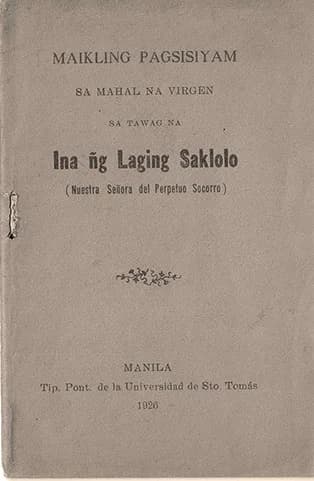
The 1926 novena titled “Maikling Pagsisiyam sa Mahal na Virgen sa Tawag na Ina ng Laging Saklolo” was published by UST Press. It promoted early Marian devotion before the Redemptorists settled in Baclaran in 1932.
1936 Novena
1936 Novena
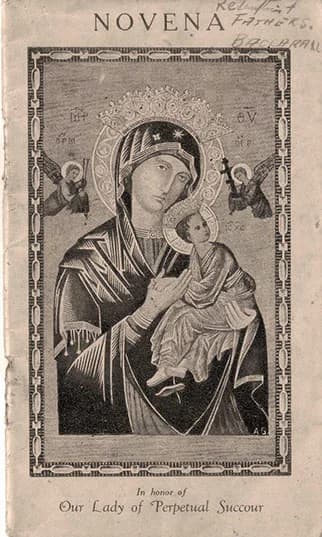
The 1936 novena built upon the earlier edition but maintained a focus on personal sanctification and salvation, reflecting pre–Vatican II spirituality centered on individual devotion.
1948 Novena: The Perpetual Novena
1948 Novena: The Perpetual Novena
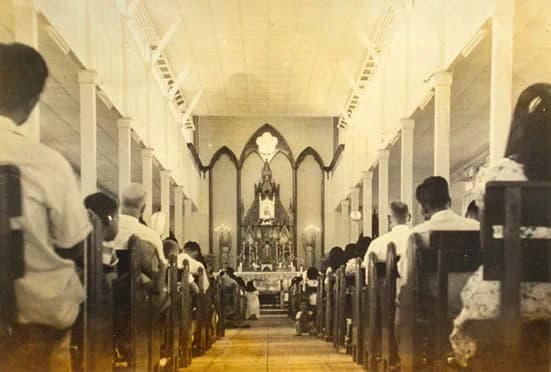
Originating in St. Louis, Missouri, the Perpetual Novena reached the Philippines after WWII. Baclaran held its first novena on June 23, 1948 with only 70 participants — soon growing to thousands weekly.
Its communal and participatory style distinguished it from earlier versions, blending traditional Marian devotion with active public worship.
1973 Novena Revision
1973 Novena Revision
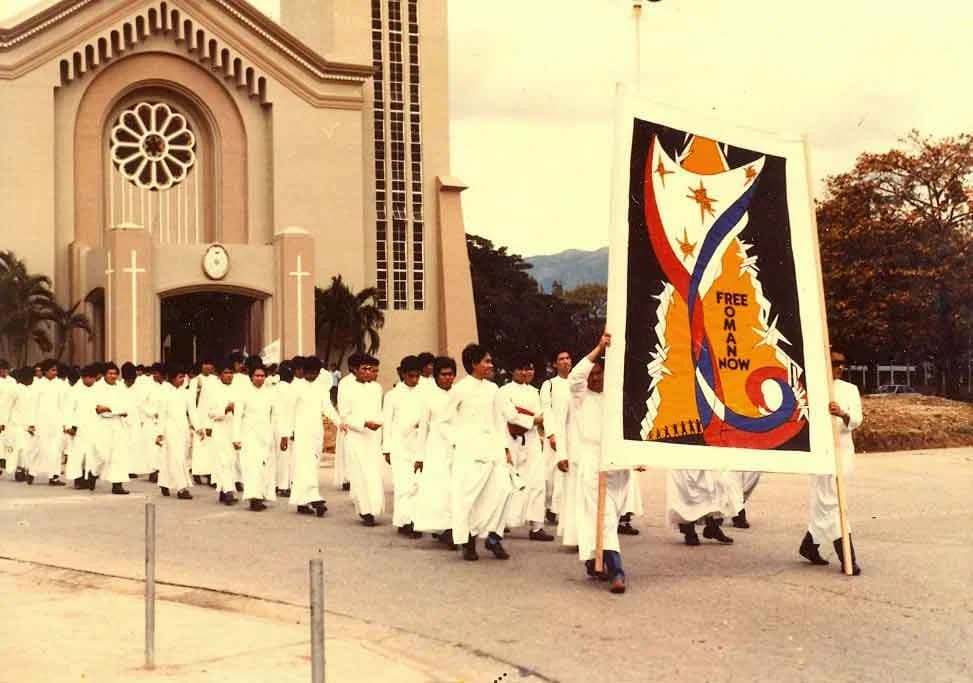
The 1973 revision responded to Vatican II and growing social awareness in the Philippines. It emphasized social justice, workers’ rights, and community service — integrating faith and action.
Prayers addressed real-life issues like poverty, bribery, and corruption, helping devotees reflect on justice and compassion.
2016 Jubilee Edition
2016 Jubilee Edition
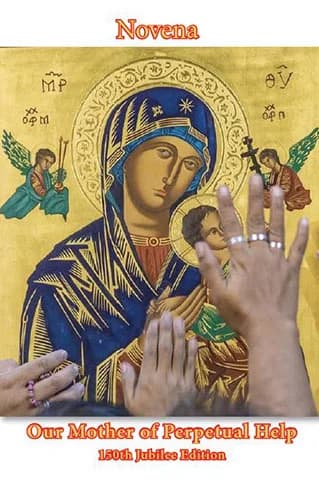
The 2016 revision, released during the 150th Jubilee of the Icon, introduced inclusive language, ecological awareness, and contemplation of the Icon’s symbolism.
It invited devotees not only to pray but to live out Mary’s example by following Christ in daily life, reflecting a deeper, mission-oriented spirituality.